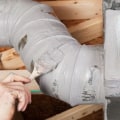
Air ducts are a fundamental component of any HVAC (Heating, Ventilation, and Air Conditioning) system, serving as the pathways through which conditioned air circulates throughout a building. These ducts are typically made from a variety of materials, including sheet metal, fiberglass, and flexible plastic, each chosen for its specific properties and suitability for different environments. Understanding the role of air ducts is essential for homeowners and building managers alike, as they directly impact both energy efficiency and indoor air quality.The primary function of air ducts is to transport heated or cooled air from the HVAC unit to various rooms in a structure. This distribution ensures that every area receives adequate temperature control, contributing to overall comfort.
However, the importance of air ducts extends beyond mere temperature regulation. They also play a crucial role in maintaining indoor air quality by facilitating proper ventilation. When functioning optimally, air ducts help remove pollutants, allergens, and excess moisture from the air, creating a healthier living environment.Neglecting the maintenance of air ducts can lead to a host of problems, including reduced energy efficiency and compromised indoor air quality. Over time, dust and debris can accumulate within the ductwork, obstructing airflow and forcing your HVAC system to work harder than necessary.
This not only increases energy bills but can also shorten the lifespan of your heating and cooling equipment. Furthermore, poorly maintained ducts can become breeding grounds for mold and bacteria, posing health risks to occupants.In summary, understanding the significance of air ducts is vital for anyone looking to optimize their HVAC system's performance. Regular inspection and maintenance can prevent costly repairs down the line while ensuring that your indoor environment remains comfortable and healthy. As we delve deeper into this comprehensive guide on air duct repair, we will explore practical tips and techniques to keep your ductwork in top condition.
Common Issues with Ductwork
When it comes to maintaining an efficient HVAC system, understanding the common issues with ductwork is crucial.Ducts are the pathways through which heated or cooled air travels, and any problems can significantly impact your home's comfort and energy efficiency. Here are some of the most frequent problems encountered with ductwork:
- Duct Leaks: One of the most prevalent issues is duct leakage. Leaks can occur at joints, seams, or even through holes in the duct material. These leaks can lead to a significant loss of conditioned air, causing your HVAC system to work harder and increasing energy bills.
Identifying and sealing these leaks is essential for optimal performance.
- Disconnected Ducts: Over time, ducts can become disconnected due to wear and tear or improper installation. This disconnection can result in air escaping into unconditioned spaces, such as attics or crawl spaces, rather than reaching the intended rooms. Regular inspections can help catch these issues early.
- Damaged Ducts: Physical damage to ducts can occur from various sources, including pests, construction activities, or even extreme temperature fluctuations. Damaged ducts may be crushed, punctured, or corroded, leading to reduced airflow and increased energy consumption.
Assessing the condition of your ducts regularly can help identify any physical damage that needs repair.
- Improper Insulation: Insulation plays a vital role in maintaining the temperature of the air traveling through your ducts. If insulation is inadequate or damaged, it can lead to heat loss in winter and heat gain in summer. This not only affects comfort but also increases energy costs.
- Dirty Ducts: Dust, debris, and allergens can accumulate within ductwork over time. This buildup not only reduces airflow but can also affect indoor air quality.
Regular cleaning of ducts is recommended to ensure a healthy living environment.
Tools and Materials Needed for Duct Repair
When it comes to air duct repair, having the right tools and materials is essential for a successful and efficient job. Below is a comprehensive list of the necessary items you will need to tackle ductwork repairs effectively.Essential Tools for Duct Repair
- Utility Knife: A sharp utility knife is crucial for cutting through duct materials, such as insulation or sheet metal.
- Measuring Tape: Accurate measurements are vital when cutting and fitting new duct sections. A measuring tape will help ensure precision.
- Screwdriver Set: A variety of screwdrivers (both flathead and Phillips) will be needed to tighten or loosen screws on duct connections.
- Pliers: Pliers are useful for gripping, twisting, and cutting wire or metal straps that may be securing your ducts.
- Drill: A power drill can make the installation of screws much easier, especially in tight spaces where manual effort is challenging.
- Sealant Gun: If you are using caulk or adhesive sealants, a sealant gun will help you apply these materials evenly and effectively.
- Duct Tape: While not a permanent solution, high-quality duct tape can temporarily hold sections together until a more permanent fix is applied.
Materials Needed for Duct Repair
- Duct Insulation: If your ducts are damaged or exposed, replacing insulation can improve energy efficiency and prevent heat loss.
- Duct Sealant: Use mastic sealant or foil tape to seal joints and seams in your ductwork, ensuring that air does not escape.
- Duct Sections: Depending on the extent of the damage, you may need to purchase replacement sections of ducting made from metal or flexible materials.
- Screws and Fasteners: Ensure you have an adequate supply of screws, nuts, and bolts to secure any new sections or connections.
- Protective Gear: Safety goggles, gloves, and a dust mask are important to protect yourself from debris and dust during the repair process.
Proper preparation not only saves time but also enhances the quality of your repairs, ensuring that your HVAC system operates efficiently once again.
Step-by-Step Guide to Repairing Ductwork
Repairing ductwork can seem daunting, but with the right approach and tools, you can tackle various issues effectively. Here’s a comprehensive step-by-step guide to help you navigate through common duct repair tasks.- Identify the Problem: Start by inspecting your ductwork for visible signs of damage, such as holes, disconnected sections, or excessive dust accumulation. Use a flashlight to look into hard-to-reach areas. If you notice any unusual noises or airflow issues, these could also indicate problems.
- Gather Your Tools: Before you begin repairs, ensure you have the necessary tools on hand.
Common tools include:
- Utility knife
- Duct tape or mastic sealant
- Screws and a screwdriver
- Hose clampsHose clamps
- Measuring tape
- Safety goggles and gloves
- Access the Ducts: Depending on the location of your ducts, you may need to remove panels or insulation to gain access. Be cautious when working in tight spaces and ensure that you’re not damaging any surrounding materials.
- Repair Holes and Leaks: For small holes, use duct tape or mastic sealant to cover the area thoroughly. For larger holes, cut a piece of sheet metal to fit over the hole and secure it with screws. Seal the edges with mastic for added durability.
- Reconnect Disconnected Ducts: If you find sections of duct that have come apart, reattach them securely.
Use screws or hose clamps to fasten the connection tightly. Ensure that there are no gaps between the sections.
- Insulate Ducts: After repairs, consider adding insulation around your ducts if they are located in unconditioned spaces. This helps maintain temperature and improves energy efficiency.
- Test Your Repairs: Once all repairs are complete, turn on your HVAC system and check for proper airflow. Listen for any unusual sounds that might indicate further issues.
Remember that safety is paramount; if at any point you feel unsure about a repair, don’t hesitate to consult a professional.
Sealing Ducts: Techniques and Best Practices
Sealing ducts is a critical step in maintaining the efficiency of your HVAC system. Properly sealed ducts prevent air leaks, which can lead to significant energy loss and increased utility bills. Below, we explore various duct sealing techniques and the best practices to ensure your ducts are sealed effectively.Common Duct Sealing Techniques
- Mechanical Fasteners: For metal ducts, using mechanical fasteners such as screws or rivets is a reliable method. These fasteners provide a strong connection that can withstand pressure changes within the duct system.
- Sealants: Mastic sealant is a popular choice for sealing joints and seams in ductwork.
It is a thick paste that can be applied with a brush or putty knife, creating a durable seal that resists air leaks.
- Tape: While not as robust as mastic, specialized duct tape can be used for quick fixes. Ensure you use tape specifically designed for HVAC applications, as regular adhesive tape may not hold up under temperature fluctuations.
- Foam Sealants: Expanding foam sealants can be effective for sealing larger gaps and holes in ductwork. They expand to fill voids and create an airtight seal, but care must be taken to avoid over-expansion that could damage the ducts.
Best Practices for Sealing Ducts
- Inspect Regularly: Conduct routine inspections of your ductwork to identify any potential leaks or damage. Look for signs of wear, such as rust on metal ducts or cracks in flexible ducts.
- Clean Before Sealing: Ensure that the surfaces to be sealed are clean and free from dust or debris.
This will help the sealant adhere better and create a more effective barrier against air leaks.
- Use the Right Materials: Choose sealing materials that are appropriate for the type of ductwork you have. For instance, mastic is ideal for metal ducts, while flexible duct tape is better suited for flexible ducts.
- Avoid Over-Sealing: While it’s important to seal gaps effectively, over-sealing can lead to airflow restrictions. Ensure that air can flow freely through the system after sealing.
When to Call a Professional for Duct Repair
While many duct repairs can be handled by a determined DIY enthusiast, there are specific situations where it is crucial to call in a professional.Recognizing these scenarios not only ensures the safety of your home but also guarantees that the repairs are performed effectively and efficiently.
1.Extensive Damage
If you notice significant damage to your ductwork, such as large holes, extensive corrosion, or major disconnections, it’s time to consult an HVAC expert. These issues often require specialized tools and expertise that go beyond basic repair techniques. A professional can assess the extent of the damage and recommend whether repair or replacement is the best course of action.
2.Poor Airflow
Inconsistent or poor airflow throughout your home can indicate underlying duct issues that may not be visible. If you’ve checked for blockages and cleaned your vents but still experience airflow problems, a professional can conduct a thorough inspection.
They can identify hidden leaks or improperly sized ducts that could be affecting your HVAC system's performance.
3.Mold Growth
Mold in your ductwork is a serious health hazard and requires immediate attention from a professional. Mold can thrive in damp environments, and if your ducts have been compromised by moisture, it’s essential to have them cleaned and repaired by an expert who understands how to safely remove mold and prevent its return.
4.Unusual Noises
If you hear strange noises coming from your ducts, such as rattling, banging, or whistling sounds, this could indicate loose components or other issues that need professional evaluation. Ignoring these sounds may lead to more significant problems down the line.
5.Safety Concerns
Working with ductwork can pose safety risks, especially if it involves navigating tight spaces or dealing with electrical components. If you feel uncomfortable or unsure about any aspect of the repair process, it’s best to leave it to the professionals who are trained to handle these situations safely.
6.Lack of Tools or Experience
If you find yourself lacking the necessary tools or experience for a particular repair task, don’t hesitate to call an HVAC technician.
Professionals have access to specialized equipment and possess the knowledge required to perform repairs correctly and efficiently.In summary, while minor duct repairs can often be tackled independently, recognizing when to seek professional help is vital for ensuring the longevity and efficiency of your HVAC system. By understanding these signs, you can make informed decisions that protect both your home and your health.
Preventive Maintenance Tips for Ductwork
Maintaining your air duct system is essential for ensuring optimal performance and longevity. Regular preventive maintenance can help you avoid costly repairs and improve the efficiency of your HVAC system. Here are some effective duct maintenance tips to keep your air ducts in top shape:- Regular Inspections: Schedule routine inspections of your ductwork at least once a year.
Look for signs of wear, such as rust, holes, or disconnected sections. Early detection of issues can save you from more extensive repairs later.
- Clean Your Ducts: Dust and debris can accumulate in your ducts over time, leading to reduced airflow and potential health hazards. Consider hiring a professional to clean your ducts every 3 to 5 years, or more frequently if you have pets or allergies.
- Check for Leaks: Leaky ducts can significantly decrease the efficiency of your HVAC system. Use a smoke pencil or incense stick to identify leaks by observing where the smoke is drawn into the ductwork.
Seal any leaks with mastic sealant or metal tape.
- Insulate Ducts: Proper insulation helps maintain the temperature of the air traveling through your ducts. Insulate any exposed ductwork in unconditioned spaces, such as attics or crawl spaces, to prevent energy loss.
- Change Filters Regularly: Clogged filters can restrict airflow and force your HVAC system to work harder. Change or clean your air filters every 1 to 3 months, depending on usage and filter type.
- Maintain Humidity Levels: High humidity can lead to mold growth within your ducts. Use a dehumidifier if necessary to keep indoor humidity levels between 30% and 50%.
- Seal Duct Connections: Ensure that all connections between duct sections are secure.
Use screws, clamps, or specialized duct tape to reinforce these connections and prevent disconnections.
FAQs About Air Duct Repair
When it comes to air duct repair, many homeowners have questions that arise from their experiences or concerns. Below are some of the most frequently asked questions regarding ductwork repair, along with detailed answers to help you navigate this essential aspect of HVAC maintenance.What are the signs that my air ducts need repair?
Several indicators can suggest that your air ducts require attention:- Inconsistent airflow: If certain rooms in your home are not receiving adequate airflow, it may indicate a blockage or leak in the ductwork.
- Unusual noises: Sounds such as rattling, whistling, or banging can signal loose or damaged ducts.
- Increased energy bills: A sudden spike in your energy costs may suggest that your HVAC system is working harder due to inefficient ductwork.
- Dust accumulation: Excessive dust around vents or in your home can indicate leaks in the ducts, allowing dust and allergens to enter your living space.
Can I repair my air ducts myself?
While some minor repairs can be handled by homeowners, such as reattaching disconnected ducts or sealing small leaks with duct tape, more extensive repairs should be left to professionals. If you encounter significant damage or if the ducts are located in hard-to-reach areas, it’s advisable to consult an HVAC technician.How much does air duct repair typically cost?
The cost of air duct repair can vary widely based on several factors, including:- The extent of the damage
- The type of duct material
- The location of the ducts
- The labor costs in your area
It’s always a good idea to obtain multiple quotes from reputable contractors to ensure you’re getting a fair price.
How long does an air duct repair take?
The duration of an air duct repair project depends on the complexity of the issue. Simple repairs may take just a few hours, while more extensive work could require a full day or more. A professional technician will be able to provide a more accurate estimate after assessing the situation.What should I do if I suspect my ducts are leaking?
If you suspect that your ducts are leaking, it’s crucial to address the issue promptly. Start by inspecting visible sections for any obvious signs of damage.If you find any issues, contact a qualified HVAC technician who can perform a thorough inspection and recommend appropriate repairs.By understanding these common questions and their answers, you can better prepare yourself for any necessary air duct repairs, ensuring your HVAC system operates efficiently and effectively.
Conclusion: Ensuring Efficient Air Duct Performance
In conclusion, ensuring the efficient performance of your air ducts is crucial for maintaining a comfortable and healthy indoor environment. Throughout this guide, we have explored various aspects of air duct repair, emphasizing the importance of addressing issues promptly to prevent further complications.One of the key takeaways is the significance of regular inspections. By routinely checking your ductwork for signs of damage, such as leaks or disconnections, you can catch problems early and implement effective repairs. This proactive approach not only enhances the efficiency of your HVAC system but also contributes to lower energy bills and improved air quality.Moreover, understanding the different types of duct materials and their specific repair needs is essential.Whether you are dealing with flexible ducts, metal ducts, or fiberglass ducts, each type requires tailored repair techniques. For instance, while metal ducts may need sealing with mastic or metal tape, flexible ducts often require careful reattachment to maintain their integrity.Additionally, it is vital to consider the accessibility of your ductwork when planning repairs. Ducts hidden behind walls or ceilings may necessitate professional assistance to ensure that repairs are conducted safely and effectively. In such cases, enlisting the help of an experienced HVAC technician can save you time and prevent potential damage to your home.Finally, never underestimate the value of proper sealing and insulation.
Well-sealed ducts minimize air loss and enhance system efficiency, while adequate insulation helps maintain temperature control throughout your home. Investing in these aspects can lead to significant long-term savings and a more comfortable living space.By following the expert tips outlined in this guide and prioritizing air duct repair and maintenance, you can ensure that your HVAC system operates at peak performance. Remember, a well-maintained duct system not only improves comfort but also promotes energy efficiency and indoor air quality.