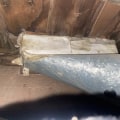
Ductwork is a fundamental component of any heating, ventilation, and air conditioning (HVAC) system, serving as the network through which conditioned air flows throughout a building. Properly designed and installed ductwork ensures that air is distributed evenly, maintaining comfortable temperatures in every room. However, the importance of ductwork extends beyond mere temperature control; it plays a critical role in the overall efficiency of the HVAC system and the quality of indoor air.When ductwork is compromised by leaks, gaps, or poor connections, it can lead to significant energy losses. In fact, studies have shown that up to 30% of the air moving through ducts can be lost due to these issues.
This not only results in higher energy bills but also places additional strain on the HVAC system, leading to premature wear and tear. Therefore, air duct repair becomes essential not just for comfort but also for the longevity of your HVAC equipment.Moreover, well-sealed ductwork contributes to better indoor air quality. Leaky ducts can draw in dust, allergens, and pollutants from unconditioned spaces like attics or crawl spaces, circulating them throughout your home. This can exacerbate respiratory issues and allergies among occupants.
By ensuring that your ductwork is properly sealed and maintained, you can create a healthier living environment while also enhancing the efficiency of your HVAC system.In summary, understanding the significance of ductwork is crucial for homeowners and building managers alike. It is not merely a conduit for air; it is a vital element that impacts energy efficiency and indoor air quality. As we delve deeper into the topic of ductwork sealants, particularly water-based putty, we will explore how these solutions can effectively address common duct issues and improve overall system performance.
What is Water-Based Putty Duct Sealant?
Water-based putty duct sealant is a specialized adhesive designed for sealing air ducts in HVAC systems. Its primary composition includes a blend of water, resins, and fillers, which work together to create a flexible yet durable seal.Water-based putty duct sealant is a specialized adhesive designed for sealing air ducts in HVAC systems. Its primary composition includes a blend of water, resins, and fillers, which work together to create a flexible yet durable seal.This type of sealant is particularly favored for its ease of use and effectiveness in preventing air leaks, which can significantly impact the efficiency of heating and cooling systems.One of the defining characteristics of water-based putty duct sealant is its non-toxic nature. Unlike some traditional sealants that may emit harmful fumes during application or curing, water-based putty is safe for indoor use, making it an ideal choice for residential and commercial applications alike. This safety feature is especially important in enclosed spaces where ventilation may be limited.When comparing water-based putty to other duct sealant types, such as mastic and tape, several key differences emerge:
- Application Method: Water-based putty can be applied using a brush or even by hand, allowing for precise control over the amount used. In contrast, mastic often requires a caulking gun for application, while tape must be cut and adhered manually.
- Flexibility: Once cured, water-based putty remains flexible, accommodating any minor shifts in the ductwork without cracking.
Mastic can become rigid over time, which may lead to potential failures at the seams.
- Cleanup: Water-based putty is easy to clean up with just soap and water before it dries. Mastic can be more challenging to remove once it has set, often requiring solvents or scraping.
- Durability: While both mastic and water-based putty offer long-lasting seals, the latter is known for its ability to withstand high temperatures and pressures without degrading.
Advantages of Using Water-Based Putty Duct Sealant
When it comes to air duct repair, selecting the right sealant can significantly impact the performance and longevity of your HVAC system.Water-based putty duct sealant stands out for several compelling reasons, making it a top choice among both professionals and DIY enthusiasts.
1.User-Friendly Application
One of the most notable advantages of water-based putty duct sealant is its straightforward application process. Unlike traditional sealants that may require specialized tools or extensive preparation, this putty can be applied with minimal equipment. A simple brush, spatula, or even your fingers can effectively spread the sealant over the necessary areas. This ease of use not only saves time but also makes it accessible for individuals who may not have extensive experience in duct sealing.
2.Exceptional Durability
Durability is a critical factor when choosing a duct sealant, and water-based putty excels in this area.
Once applied, it forms a robust bond with various surfaces, ensuring that it remains intact under varying temperatures and pressures. Many manufacturers boast that their water-based putty can last up to 20 years without significant degradation. This longevity translates to fewer maintenance needs and lower costs over time, as you won’t have to frequently reapply the sealant.
3.Effective Sealing Properties
The primary purpose of any duct sealant is to prevent air leaks, and water-based putty does this exceptionally well. Its smooth consistency allows it to fill gaps and cracks effectively, creating a tight seal that enhances the efficiency of your HVAC system.
By minimizing air leaks, you not only improve energy efficiency but also contribute to better indoor air quality.
4.Easy Cleanup
Another significant benefit of using water-based putty is its easy cleanup process. Since it is water-soluble, any excess or spilled material can be wiped away effortlessly with a damp cloth or sponge. This feature is particularly advantageous for those who prioritize maintaining a clean workspace during their air duct repair projects.
5.Safety and Environmental Considerations
Water-based putty duct sealant is also a safer option compared to many solvent-based alternatives. It emits minimal odors and harmful fumes, making it suitable for use in enclosed spaces without compromising indoor air quality.
This aspect is especially important for households with children or individuals with respiratory issues.In summary, the advantages of using water-based putty duct sealant are numerous and impactful. From its user-friendly application to its long-lasting durability and effective sealing capabilities, it proves to be an excellent choice for anyone looking to enhance their air duct repair efforts.
Easy Application Process
Applying water-based putty duct sealant is a straightforward process that can be accomplished by both professionals and DIY enthusiasts. Its user-friendly nature makes it an ideal choice for anyone looking to improve their air duct system's efficiency. Below is a step-by-step guide to help you navigate the application process effectively.- Gather Your Materials: Before you begin, ensure you have all necessary materials at hand.
You will need:
- Water-based putty duct sealant
- A caulking gun (optional)
- A putty knife or a brush
- Cleaning cloths
- Protective gloves (optional)
- Prepare the Surface: Clean the area where you will be applying the sealant. Remove any dust, dirt, or old sealant to ensure a strong bond. A clean surface allows the putty to adhere better, enhancing its effectiveness in sealing gaps.
- Apply the Sealant: If using a caulking gun, load the water-based putty into the gun and cut the tip to your desired size. For manual application, use a putty knife or brush.
Apply the sealant generously over the gaps and cracks in your ductwork. Make sure to fill all voids completely to prevent air leaks.
- Smooth the Application: After applying the sealant, use your finger or a tool to smooth it out. This not only improves aesthetics but also ensures that the sealant is evenly distributed and properly adheres to the surface.
- Allow to Cure: Water-based putty duct sealant typically dries quickly, but it’s essential to allow it sufficient time to cure fully. Check the manufacturer’s instructions for specific drying times, which can vary based on environmental conditions.
- Clean Up: One of the significant advantages of water-based putty is its easy cleanup.
Use a damp cloth or sponge to wipe away any excess sealant before it dries. This will help maintain a clean work area and prevent any mess.
- If you're working in tight spaces, consider using a smaller applicator tool for better precision.
- For larger gaps, apply multiple layers of sealant, allowing each layer to dry before adding another.
- Always read and follow the manufacturer's instructions for best results.
Durability and Longevity of Water-Based Putty Sealants
When it comes to duct sealants, durability and longevity are paramount considerations for both homeowners and professionals in the HVAC industry. Water-based putty sealants have emerged as a leading choice due to their impressive lifespan and robust performance under various conditions.Many manufacturers of water-based putty sealants claim that their products can last up to 20 years when applied correctly. This longevity is a significant advantage over traditional sealants, such as mastic or duct tape, which often require more frequent reapplication.The ability to maintain a strong seal over time not only enhances the efficiency of the HVAC system but also reduces maintenance costs.One of the key factors contributing to the durability of water-based putty is its formulation. Unlike some other sealants that may dry out or crack over time, water-based putty remains flexible after curing. This flexibility allows it to adapt to minor shifts and movements within the ductwork, which can occur due to temperature fluctuations or structural settling. As a result, the seal remains intact, preventing air leaks that can compromise system efficiency.In real-world applications, many HVAC professionals have reported that water-based putty sealants outperform their competitors in terms of longevity.
For instance, in environments with high humidity or temperature variations, water-based putty has shown remarkable resilience compared to traditional options. Users have noted that while other sealants may begin to degrade or lose adhesion within a few years, water-based putty continues to perform effectively.Moreover, the ease of application and cleanup associated with water-based putty does not detract from its durability. In fact, the straightforward application process ensures that users can achieve a thorough and even coverage, which is essential for creating a long-lasting seal. When applied properly, this type of sealant forms a strong bond with various surfaces, including metal and fiberglass ductwork.In summary, the durability and longevity of water-based putty duct sealants make them an excellent choice for anyone looking to ensure efficient air flow in their HVAC systems.
With manufacturer claims supporting lifespans of up to 20 years and real-world performance validating these assertions, it’s clear that investing in high-quality water-based putty is a wise decision for effective air duct repair.
Cleaning Up After Application
One of the standout features of water-based putty duct sealant is its ease of cleanup, which significantly enhances its appeal for both professionals and DIY enthusiasts. Unlike traditional sealants that can leave behind a sticky mess, water-based putty allows for a straightforward and hassle-free cleaning process.After applying the sealant, it’s essential to address any excess material promptly. Here are some effective methods for cleaning up:- Use Water: Since the sealant is water-based, a simple solution of warm water and a cloth or sponge is often all you need. Dampen the cloth and gently wipe away any excess putty before it dries.
This method is not only effective but also environmentally friendly.
- Scrape Gently: For areas where the sealant has dried, a plastic scraper can be used to gently lift off the hardened material without damaging the underlying surface. Be cautious to avoid scratching or gouging the ductwork.
- Soak Stains: If there are stubborn stains or remnants of sealant, soaking them with a damp cloth for a few minutes can help loosen the material, making it easier to wipe away.
- Regular Inspections: Schedule periodic checks of your ductwork to identify any potential leaks or areas that may require resealing. Early detection can save you time and money in the long run.
- Keep Tools Handy: Having a small toolkit with essential items like a damp cloth, scraper, and caulking gun nearby can make future repairs or touch-ups much easier.
- Educate Yourself: Understanding how your HVAC system works and the role of duct sealing can empower you to maintain your system effectively. Consider reading up on best practices for air duct repair and maintenance.
By following these cleanup methods and maintenance tips, you can ensure that your ductwork remains sealed effectively while minimizing mess and hassle.
Effectiveness in Sealing Ductwork
When it comes to ensuring the efficiency of your HVAC system, the effectiveness of the sealant used in ductwork cannot be overstated. Water-based putty duct sealant stands out as a premier choice for sealing gaps and cracks, significantly reducing air leaks that can compromise system performance.Understanding Air Leaks
Air leaks in ductwork can lead to substantial energy loss, resulting in higher utility bills and decreased comfort levels within your home. These leaks often occur at joints, seams, and any imperfections in the duct material. By utilizing water-based putty duct sealant, you can effectively address these vulnerabilities.
How Water-Based Putty Works
This type of sealant is designed to fill in gaps with precision.
Its smooth consistency allows it to easily spread into even the smallest crevices, creating a robust barrier against air escape. Unlike traditional sealants that may dry too quickly or fail to adhere properly, water-based putty remains pliable during application, ensuring a thorough seal.
Application Techniques for Maximum Effectiveness
- Surface Preparation: Before applying the sealant, ensure that the surfaces are clean and free from dust or debris. This will enhance adhesion and ensure a long-lasting seal.
- Layering: For larger gaps, consider applying multiple layers of putty. Allow each layer to dry before adding the next to achieve optimal thickness and durability.
- Tool Selection: While fingers can be used for application, employing a caulking gun can provide more control and precision, especially in hard-to-reach areas.
Long-Term Benefits
The long-lasting nature of water-based putty means that once applied correctly, you can expect years of effective sealing without the need for frequent reapplication.
This not only saves time but also reduces maintenance costs associated with air duct repair.In summary, the effectiveness of water-based putty duct sealant in sealing ductwork is unparalleled. By preventing air leaks through its superior adhesion and application techniques, it plays a crucial role in enhancing HVAC efficiency and maintaining comfortable indoor environments.
Comparing Water-Based Putty with Other Sealants
When it comes to sealing air ducts, several options are available, each with its own set of advantages and disadvantages. Among these, water-based putty duct sealant stands out, but how does it compare to other common sealants like mastic and tape? Let’s delve into the specifics.Mastic Sealant
Mastic is a popular choice for duct sealing due to its thick, paste-like consistency. It is designed to fill gaps and cracks effectively, creating a robust seal.However, there are some drawbacks:
- Application Difficulty: Mastic can be challenging to apply evenly, often requiring specialized tools like brushes or trowels.
- Drying Time: It typically takes longer to cure compared to water-based putty, which can delay project completion.
- Messiness: Mastic can be quite messy during application, making cleanup a hassle.
Duct Tape
Duct tape is another common sealing option that many homeowners might consider due to its convenience and ease of use. However, it has significant limitations:- Longevity: Duct tape tends to degrade over time, especially in high-temperature environments, leading to potential air leaks.
- Adhesive Weakness: The adhesive on duct tape can lose its effectiveness when exposed to moisture or extreme temperatures.
- Limited Sealing Capability: While duct tape can cover small gaps, it does not provide the same level of sealing as mastic or water-based putty.
Water-Based Putty Duct Sealant
In contrast, water-based putty duct sealant combines the best features of both mastic and duct tape while minimizing their drawbacks. Here’s why it is often considered the superior choice:- Ease of Application: Water-based putty can be applied easily with just your fingers or a simple brush, allowing for precise control without the need for special tools.
- Quick Drying Time: It dries faster than mastic, enabling quicker project completion without sacrificing quality.
- Clean-Up: Being water-based means that any excess can be cleaned up effortlessly with soap and water.
- Durability: Once cured, it forms a strong bond that can withstand temperature fluctuations and pressure changes within the duct system.
Common FAQs About Ductwork Sealants
When it comes to ductwork sealants, many homeowners and professionals have questions about their application, effectiveness, and maintenance. Here are some of the most common FAQs regarding duct sealing that can help clarify any uncertainties.What is the best type of sealant for ductwork?
While there are various types of sealants available, water-based putty duct sealant is often regarded as the best option due to its ease of application, durability, and effectiveness in sealing gaps.It adheres well to different surfaces and can withstand temperature fluctuations, making it ideal for HVAC systems.
How do I know if my ducts need sealing?
Signs that your ducts may need sealing include:- Increased energy bills without a corresponding increase in usage.
- Uneven heating or cooling in different rooms.
- Visible gaps or cracks in the ductwork.
- Unusual noises coming from the ducts.
Can I apply duct sealant myself?
Yes, applying duct sealant can be a DIY project. Water-based putty is particularly user-friendly; you can use your fingers or a brush for application. However, ensure you follow the manufacturer's instructions for the best results. If you're unsure or uncomfortable with the process, consider hiring a professional.How long does duct sealant last?
The longevity of duct sealant depends on several factors, including the type used and environmental conditions.Water-based putty sealants can last up to 20 years when applied correctly. Regular inspections can help identify any areas that may need re-sealing over time.
Is duct sealing worth the investment?
Absolutely! Properly sealed ducts improve energy efficiency, enhance indoor air quality, and provide consistent heating and cooling throughout your home. This not only leads to lower energy bills but also contributes to a more comfortable living environment.What should I do if I notice air leaks after sealing?
If you find air leaks after applying sealant, it’s essential to address them promptly. Inspect the area for any missed spots or cracks and reapply the sealant as needed.If leaks persist, consider consulting an HVAC professional for a thorough evaluation.By understanding these common questions about ductwork sealants, you can make informed decisions that enhance your HVAC system's performance and efficiency.
Conclusion: The Best Choice for Air Duct Repair
In conclusion, when it comes to air duct repair, the choice of sealant can significantly impact the overall performance and efficiency of your HVAC system. Throughout this article, we have explored the numerous advantages of using water-based putty duct sealant, which stands out as the premier option for both professionals and DIY enthusiasts.One of the most compelling reasons to opt for water-based putty is its ease of application. Unlike traditional sealants that may require specialized tools or extensive preparation, water-based putty can be applied with minimal effort. Whether you choose to use a brush, a caulking gun, or even your fingers, you can achieve a smooth and even application that effectively seals all gaps and cracks.Moreover, the durability of water-based putty cannot be overstated.Its ability to form a robust bond with various surfaces ensures that it remains intact under high temperatures and pressure. With some products boasting a lifespan of up to 20 years, this sealant not only saves you time but also reduces long-term costs associated with frequent reapplications.Another significant advantage is the clean-up process. Water-based putty is easy to clean with just soap and water, making it a practical choice for those who value a tidy workspace. This feature is particularly beneficial in residential settings where strong odors or harmful fumes from traditional sealants can pose health risks.Finally, the effectiveness of water-based putty in sealing ductwork is unparalleled.
Its smooth consistency allows it to fill in even the smallest gaps, ensuring that air leaks are minimized. This not only enhances the efficiency of your HVAC system but also contributes to improved indoor air quality.In summary, choosing water-based putty duct sealant for air duct repair is a decision backed by its ease of use, durability, simple clean-up, and superior sealing capabilities. Whether you are an experienced HVAC technician or a homeowner tackling repairs on your own, this sealant is undoubtedly the best choice for achieving optimal results.