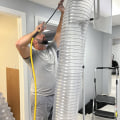
When it comes to HVAC systems, the role of ductwork is often underestimated. Ducts are the pathways through which heated or cooled air travels, making them essential for the effective distribution of temperature-controlled air throughout your home. Without properly functioning ductwork, even the most advanced HVAC units can struggle to maintain a comfortable indoor environment. This is why understanding the importance of ductwork is crucial for homeowners considering an upgrade to their heating and cooling systems.Efficient ductwork not only enhances the performance of your HVAC system but also plays a significant role in maintaining indoor air quality.
Leaky or damaged ducts can lead to air loss, which means your system has to work harder to achieve the desired temperature. This inefficiency can result in higher energy bills and increased wear and tear on your equipment. Moreover, compromised ducts can allow dust, allergens, and other pollutants to enter your living space, negatively impacting your health and comfort.In essence, the condition of your ductwork directly influences both the efficiency of your HVAC system and the quality of air you breathe. If your ducts are old, poorly insulated, or damaged, they may not be able to deliver air effectively, leading to hot or cold spots in your home.
This uneven distribution can make certain areas uncomfortable while others remain too warm or too cool. Therefore, assessing the state of your ductwork is a vital step before deciding whether to replace it during an HVAC upgrade.Ultimately, understanding the critical function of ductwork sets the stage for evaluating whether replacement is necessary when upgrading your HVAC unit. By recognizing how ductwork impacts both efficiency and air quality, homeowners can make informed decisions that enhance their comfort and well-being.
When Is Ductwork Replacement Necessary?
Determining when to replace your ductwork is crucial for maintaining an efficient HVAC system. Several factors can indicate that your ducts are no longer performing optimally, and recognizing these signs early can save you from costly repairs and energy bills.Age of Ductwork
One of the primary indicators that ductwork replacement may be necessary is its age.Most duct systems have a lifespan of about 15 to 20 years. If your ducts are approaching or exceeding this age, they may be more susceptible to wear and tear, leading to inefficiencies. Older ducts can develop cracks, leaks, and other issues that compromise their ability to deliver conditioned air effectively.
Signs of Duct Damage
Visible damage is another clear sign that your ductwork may need replacing. Look for:- Cracks or holes: Any visible openings can lead to air leaks, reducing efficiency.
- Dirt and dust accumulation: Excessive dust around vents or on furniture can indicate leaks in the duct system.
- Unusual noises: Rattling or whistling sounds can suggest loose connections or blockages within the ducts.
Poor Airflow and Temperature Imbalances
If certain rooms in your home are consistently warmer or cooler than others, this could signal problems with your duct system.Uneven heating or cooling often points to blockages or leaks in the ducts. Additionally, if you find yourself adjusting the thermostat frequently without achieving desired comfort levels, it may be time to consider replacing the ductwork.
Increased Energy Bills
A sudden spike in your energy bills without a corresponding increase in usage can also indicate that your ductwork is failing. Inefficient ducts force your HVAC system to work harder, leading to higher energy consumption. If you suspect that your ducts are contributing to increased costs, a thorough inspection is warranted.In summary, recognizing the signs of aging or damaged ductwork is essential for maintaining an efficient HVAC system.If you encounter any of these indicators—age, visible damage, poor airflow, or rising energy costs—it may be time to consider replacing your ductwork for improved performance and comfort in your home.
Signs Your Ducts May Need Repair or Replacement
Identifying the signs that your ductwork may need repair or replacement is crucial for maintaining an efficient HVAC system. Homeowners should be vigilant about certain indicators that can signal underlying issues with their air ducts.1.Uneven Heating and Cooling
One of the most common signs of duct problems is uneven heating and cooling throughout your home. If you notice that some rooms are significantly warmer or cooler than others, it could indicate that your ducts are not distributing air effectively. This inconsistency can stem from:- Leaky ducts: Air escaping through cracks or holes can lead to reduced airflow in certain areas.
- Blocked vents: Furniture or other obstructions may be hindering airflow.
- Improperly sized ducts: Ducts that are too small or too large for your HVAC system can cause airflow issues.
2.Increased Energy Bills
If you’ve noticed a sudden spike in your energy bills without any changes in usage, it may be time to investigate your ductwork.Inefficient ducts can lead to higher energy consumption as your HVAC system works harder to maintain the desired temperature. Common causes include:
- Duct leaks: Air escaping from damaged ducts means your system has to compensate by using more energy.
- Poor insulation: Insufficiently insulated ducts can lose conditioned air, leading to increased energy costs.
3.Unusual Noises
If you hear strange noises coming from your ducts, such as rattling, whistling, or banging, it could indicate a problem. These sounds may arise from:- Loose connections: Ducts that are not properly sealed can vibrate and create noise.
- Obstructions: Debris or blockages within the ductwork can cause airflow disruptions and noise.
4.Dust and Allergens
An increase in dust and allergens in your home may also point to duct issues. If your ducts are dirty or damaged, they can circulate dust, pollen, and other pollutants throughout your living space.Regular cleaning and maintenance of your ductwork can help improve indoor air quality.If you observe any of these signs, it’s essential to take action promptly. Ignoring duct issues can lead to more significant problems down the line, including decreased HVAC efficiency and increased repair costs. Consider consulting with a professional HVAC technician who can assess the condition of your ductwork and recommend appropriate solutions.
The Benefits of Replacing Old Ductwork
When considering an upgrade to your HVAC system, one of the most significant decisions you may face is whether to replace your old ductwork. While it might seem like a daunting task, the benefits of installing new ducts can greatly enhance your home's comfort and efficiency.Improved HVAC Efficiency
One of the primary advantages of replacing old ductwork is the potential for improved HVAC efficiency.
Over time, existing ducts can develop leaks, cracks, or blockages that hinder airflow. These issues force your HVAC system to work harder to maintain the desired temperature, leading to increased energy consumption and higher utility bills. By installing new ductwork, you can ensure that air flows freely throughout your home, allowing your HVAC unit to operate at peak efficiency.New duct systems are often designed with modern materials and techniques that minimize air loss. This means that not only will your system use less energy, but it will also provide more consistent heating and cooling throughout your home.
As a result, you may notice a significant reduction in your energy bills after replacing your ductwork.
Enhanced Indoor Air Quality
Another compelling reason to consider replacing old ducts is the improvement in indoor air quality. Aging ductwork can accumulate dust, mold, and other allergens over time. When your HVAC system operates, these contaminants can be circulated throughout your home, potentially leading to health issues for you and your family.New duct systems are typically constructed from materials that are less prone to harboring dust and allergens. Additionally, they can be designed with better filtration options that capture harmful particles before they enter your living space.
By investing in new ductwork, you not only enhance the efficiency of your HVAC system but also create a healthier environment for everyone in your home.
Long-Term Cost Savings
While the initial investment in new ductwork may seem substantial, it is essential to consider the long-term savings associated with improved efficiency and air quality. By reducing energy consumption and minimizing the need for frequent repairs on old ducts, homeowners can save significantly over time. Furthermore, a well-functioning HVAC system can extend the lifespan of your unit, delaying the need for costly replacements.In summary, replacing old or damaged ductwork offers numerous benefits that go beyond mere aesthetics. From enhanced HVAC efficiency and improved indoor air quality to long-term cost savings, investing in new ducts is a decision that can lead to a more comfortable and healthier home environment.
Cost Considerations for Duct Replacement
When considering an upgrade to your HVAC system, one of the most significant factors to evaluate is the cost of duct replacement.Understanding the financial implications can help you make informed decisions that align with your budget and long-term goals.The average cost for replacing ductwork can vary widely based on several factors, including:
- Size of the Home: Larger homes typically require more extensive duct systems, which can increase labor and material costs.
- Type of Ductwork: The material used for ducts—such as fiberglass, sheet metal, or flexible ducts—can significantly impact the overall cost. For instance, sheet metal ducts are generally more expensive but offer better durability and efficiency.
- Accessibility: If your existing ductwork is located in hard-to-reach areas, such as crawl spaces or attics, installation costs may rise due to the additional labor required.
- Local Labor Rates: Depending on where you live, labor costs can vary. Urban areas may have higher rates compared to rural locations.
- Prioritize Needs vs.
Wants:
Determine whether replacing the ductwork is essential for your HVAC upgrade or if it can be postponed. If your existing ducts are in good condition and functioning well, you might save money by delaying replacement. - Plan for Future Upgrades: If you anticipate needing a new HVAC system in the near future, investing in new ductwork now could save you money later by ensuring compatibility and efficiency.
- Look for Incentives: Many utility companies offer rebates or incentives for energy-efficient upgrades. Research local programs that could help offset some of the costs associated with duct replacement.
Efficient ductwork can enhance your HVAC system's performance, leading to lower energy consumption and increased comfort in your home.In summary, understanding the costs associated with duct replacement is vital for homeowners planning an HVAC upgrade. By evaluating various factors and employing strategic budgeting techniques, you can make a decision that not only fits your financial situation but also enhances your home's overall efficiency and comfort.
Choosing the Right Contractor for Duct Replacement
When it comes to replacing your ductwork, selecting the right contractor is crucial for ensuring a successful installation. A qualified HVAC contractor can make all the difference in the efficiency and longevity of your new system. Here are some essential tips to guide you in choosing the right professional for your duct replacement project.Qualifications to Look For
- Licensing and Insurance: Always verify that the contractor holds the necessary licenses required by your state or local jurisdiction.
Additionally, they should have liability insurance and workers' compensation coverage to protect you from any potential liabilities during the installation process.
- Experience: Look for contractors with a proven track record in duct replacement. Experience often translates to better workmanship and knowledge of best practices.
- Certifications: Check if the contractor has certifications from recognized organizations, such as the North American Technician Excellence (NATE) or the Air Conditioning Contractors of America (ACCA). These certifications indicate a commitment to ongoing education and adherence to industry standards.
Questions to Ask
Before hiring a contractor, it’s essential to ask specific questions that can help you gauge their expertise and reliability:- What is your experience with duct replacement? Inquire about their past projects and ask for references from previous clients.
- Can you provide a detailed estimate? A reputable contractor should offer a comprehensive estimate that outlines all costs involved, including materials and labor.
- What type of ductwork do you recommend? Discuss the options available, such as flexible or rigid ducts, and understand why they recommend certain types based on your home’s layout and needs.
- How will you ensure proper installation? Ask about their installation process and what measures they take to ensure that the ductwork is sealed properly to prevent leaks.
FAQs About Ductwork and HVAC Upgrades
When considering an upgrade to your HVAC system, many homeowners have questions about the role of ductwork.Here are some frequently asked questions that can help clarify common concerns regarding ductwork and HVAC upgrades.
1.Do I need to replace my ductwork when upgrading my HVAC unit?
Not necessarily. If your existing ductwork is in good condition and properly sized for your new system, you may not need to replace it. However, if your ducts are old, damaged, or poorly designed, replacing them can enhance the efficiency and performance of your new HVAC unit.2.How can I tell if my ductwork needs repair or replacement?
There are several signs that indicate your ductwork may need attention:- Age: Ducts older than 15-20 years may be more prone to issues.
- Visible Damage: Look for cracks, holes, or disconnected sections.
- Inconsistent Temperatures: If some rooms are significantly warmer or cooler than others, it could indicate duct problems.
- Increased Energy Bills: A sudden spike in energy costs without a change in usage may suggest inefficient ducts.
3.What is the difference between duct repair and replacement?
Duct repair typically involves fixing specific issues such as sealing leaks or reconnecting loose sections. This can be a cost-effective solution if the ducts are otherwise in good shape.On the other hand, duct replacement involves removing old ducts and installing new ones, which is often necessary when the existing system is severely damaged or outdated.
4.Can I upgrade my HVAC system without addressing my ductwork?
You can upgrade your HVAC system without replacing your ductwork; however, doing so may limit the efficiency and effectiveness of your new unit. If your ducts are not functioning optimally, you might not experience the full benefits of your new system.5.How often should I have my ductwork inspected?
It’s advisable to have your ductwork inspected every few years, especially if you notice any signs of wear or inefficiency. Regular maintenance can help identify potential issues before they become significant problems.By addressing these common questions about ductwork and HVAC upgrades, homeowners can make informed decisions that enhance their home’s comfort and energy efficiency.Conclusion: Making Informed Decisions About Your Ductwork
In conclusion, making informed decisions about your ductwork when upgrading your HVAC unit is crucial for ensuring optimal performance and energy efficiency. Throughout this article, we have explored the various factors that influence whether you should replace your air ducts or retain the existing ones.Understanding these elements can help you avoid unnecessary expenses while maximizing the effectiveness of your new HVAC system.First and foremost, it is essential to assess the condition of your ductwork. If your ducts are relatively new and in good shape, there may be no need for replacement. However, if they are older than 15-20 years or show signs of damage such as leaks or cracks, replacing them could be a wise investment. This not only enhances the efficiency of your new HVAC unit but also improves indoor air quality.Moreover, consider the performance of your current duct system.
Are you experiencing uneven heating or cooling in different areas of your home? Are your energy bills unexpectedly high? These issues often indicate that your ductwork may not be functioning optimally. In such cases, investing in new ducts can lead to significant improvements in comfort and cost savings over time.It’s also important to weigh your personal preferences and budget constraints. While replacing ductwork can seem like a daunting expense, it may ultimately save you money on energy bills and maintenance costs in the long run. If budget is a concern, consult with a qualified HVAC professional who can provide tailored advice based on your specific situation.Ultimately, the decision to replace or repair your ductwork should be based on a thorough evaluation of its condition and performance.
By taking the time to assess these factors and consulting with experts, you can make an informed choice that aligns with both your financial situation and comfort needs.In summary, don’t overlook the importance of air duct repair when upgrading your HVAC system. A well-functioning duct system is integral to achieving the best results from your new unit, ensuring that you enjoy a comfortable living environment while keeping energy costs manageable.