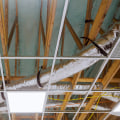
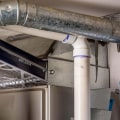
Air ducts are an essential component of any HVAC (Heating, Ventilation, and Air Conditioning) system, serving as the pathways through which conditioned air circulates throughout a building. These ducts are responsible for distributing warm or cool air to various rooms, ensuring that indoor environments remain comfortable regardless of external weather conditions. However, their role extends beyond mere temperature control; they also play a crucial part in maintaining indoor air quality. When air ducts are functioning properly, they help filter out dust, allergens, and other pollutants, contributing to a healthier living space.Understanding the importance of air ducts is vital for homeowners and building managers alike.
Over time, air ducts can accumulate dust and debris, leading to blockages that hinder airflow and reduce the efficiency of the HVAC system. This not only results in higher energy bills but can also exacerbate respiratory issues for occupants. Regular maintenance and timely air duct repair are essential to ensure that these systems operate at peak performance. Neglecting duct maintenance can lead to significant problems down the line, including increased wear on HVAC components and potential health risks due to poor air quality.Moreover, the materials used in constructing air ducts can impact their effectiveness and longevity.
While many homeowners may be tempted to use quick fixes like duct tape for repairs, understanding the right materials and methods for sealing and maintaining air ducts is crucial. In this article, we will explore the common misconceptions surrounding duct tape in relation to air duct repair and highlight more effective solutions that ensure both efficiency and safety in your HVAC system.
The Origins of Duct Tape: A Misunderstood Tool
Duct tape, often hailed as a miracle solution for countless household repairs, has a fascinating history that belies its modern reputation. Originally developed during World War II, duct tape was designed for military use, specifically to seal ammunition cases against moisture. Its unique combination of a strong fabric backing and a waterproof adhesive made it an invaluable tool for soldiers in the field.After the war, duct tape transitioned into civilian life and quickly gained popularity for its versatility.Homeowners and DIY enthusiasts began to discover its myriad applications, from quick fixes on furniture to temporary repairs on vehicles. However, the name "duct tape" can be misleading. While it is often associated with air duct repair, this was not its original purpose.In fact, the association between duct tape and air ducts emerged in the 1960s when contractors began using it to connect heating and cooling ducts. Unfortunately, this practice was based more on convenience than on effectiveness.
The adhesive properties of duct tape were never intended for the extreme temperature fluctuations and environmental conditions that air ducts endure.Despite its initial success in sealing ducts, duct tape has significant limitations when it comes to long-term air duct repair. Over time, exposure to heat and cold can cause the adhesive to break down, leading to a loss of seal integrity. This degradation can result in air leaks that compromise the efficiency of HVAC systems, leading to increased energy costs and reduced indoor air quality.Moreover, while duct tape may provide a temporary fix, it is not a permanent solution. Homeowners who rely on duct tape for air duct repairs may find themselves facing recurring issues that could have been avoided with proper materials designed specifically for this purpose.In summary, while duct tape has earned its place as a versatile tool in many households, its origins and intended uses highlight its limitations in air duct repair.
For effective sealing and maintenance of air ducts, it is essential to utilize materials specifically engineered for that purpose, ensuring long-lasting results and optimal performance of HVAC systems.
Why Duct Tape is Not Suitable for Air Duct Repair
When it comes to air duct repair, many homeowners mistakenly turn to duct tape as a quick fix. However, this common adhesive is far from ideal for sealing air ducts, and understanding its limitations is crucial for maintaining an efficient HVAC system.1.Temperature Sensitivity
Duct tape is not engineered to endure the extreme temperature fluctuations that air ducts experience. Air ducts are subjected to both hot and cold air, which can cause materials to expand and contract. Over time, these temperature changes can weaken the adhesive properties of duct tape, leading to a breakdown of the seal.
As the adhesive loses its grip, gaps can form, allowing air leaks that compromise the efficiency of your heating and cooling systems.
2.Adhesive Degradation
The adhesive used in duct tape is designed for general purposes and is not formulated for long-term exposure to the conditions found in air ducts. Studies have shown that the adhesive can degrade significantly over time when exposed to moisture, dust, and fluctuating temperatures. This degradation not only reduces the effectiveness of the seal but can also lead to further issues such as mold growth or increased energy costs due to inefficient airflow.
3.Lack of Longevity
While duct tape may provide a temporary solution, it is not a long-lasting fix for air duct sealing issues. Research conducted by experts at the Lawrence Berkeley National Laboratory has demonstrated that duct tape fails within months when used in this capacity.
In contrast, specialized sealing materials like foil tape or mastic sealants are designed specifically for air duct applications and can last for decades without losing their effectiveness.
4.Risk of Air Quality Issues
Using duct tape can also pose risks to indoor air quality. As the tape deteriorates, it can release particles into the air, which may contribute to respiratory issues or allergies among occupants. Furthermore, if moisture gets trapped behind the tape due to inadequate sealing, it can create an environment conducive to mold growth, further compromising air quality.In summary, while duct tape might seem like a convenient option for air duct repair, its inability to withstand temperature changes and its poor adhesive properties make it an unsuitable choice. For effective and lasting results, homeowners should consider using materials specifically designed for sealing air ducts or consult with a professional HVAC technician.
Research Findings on Duct Tape and Air Ducts
Research into the effectiveness of duct tape for sealing air ducts has revealed significant shortcomings, particularly highlighted by a pivotal study conducted by the Lawrence Berkeley National Laboratory (LBNL).This research aimed to evaluate various sealing methods and their long-term viability in maintaining air duct integrity.The LBNL study, which spanned three months, tested several sealants, including duct tape, duct putty, and foil mastic tape. The findings were clear: while duct tape may provide a temporary fix, it is not a reliable solution for air duct sealing. The adhesive properties of duct tape degrade over time, especially when exposed to the fluctuating temperatures typical in HVAC systems. This degradation leads to a loss of adhesion, resulting in unsealed ducts that can compromise energy efficiency and indoor air quality.According to Max Sherman, a researcher involved in the study, "Duct tape may seem like a quick and easy solution for sealing ducts, but it simply does not hold up under the conditions that air ducts face." This statement underscores the importance of using materials specifically designed for HVAC applications.In contrast to duct tape, This research aimed to evaluate various sealing methods and their long-term viability in maintaining air duct integrity.The LBNL study, which spanned three months, tested several sealants, including duct tape, duct putty, and foil mastic tape. The findings were clear: while duct tape may provide a temporary fix, it is not a reliable solution for air duct sealing. The adhesive properties of duct tape degrade over time, especially when exposed to the fluctuating temperatures typical in HVAC systems. This degradation leads to a loss of adhesion, resulting in unsealed ducts that can compromise energy efficiency and indoor air quality.According to Max Sherman, a researcher involved in the study, "Duct tape may seem like a quick and easy solution for sealing ducts, but it simply does not hold up under the conditions that air ducts face." This statement underscores the importance of using materials specifically designed for HVAC applications.In contrast to duct tape, duct putty and foil mastic tape were found to be far more effective.
Duct putty is formulated to create a strong bond that withstands temperature changes without losing its adhesive properties. Similarly, foil mastic tape is engineered for durability and can last for decades without failing. These alternatives not only provide better sealing but also contribute to improved energy efficiency by preventing air leaks.In summary, the research conducted by LBNL serves as a crucial reminder for homeowners and HVAC professionals alike: relying on duct tape for air duct repair is not only ineffective but can lead to greater issues down the line. For optimal results, it is essential to choose sealing materials that are specifically designed for air ducts, ensuring long-lasting performance and efficiency.
Alternative Solutions for Air Duct Sealing
When it comes to sealing air ducts, relying on duct tape is a common misconception that can lead to inefficiencies and increased energy costs.Fortunately, there are several effective alternatives that provide a more reliable and long-lasting solution. Below, we explore some of the best options available for air duct sealing.
Duct Putty
Duct putty is a versatile sealing material specifically designed for use in HVAC systems. Unlike duct tape, which can degrade over time, duct putty maintains its integrity under varying temperature conditions. It is easy to apply and can fill gaps and cracks effectively.- Application: Before applying duct putty, ensure that the surface is clean and dry.
Roll the putty into small balls and press it into the gaps or seams of the ducts. Smooth it out with your fingers for a tight seal.
- Durability: Duct putty is resistant to moisture and temperature fluctuations, making it an ideal choice for long-term sealing solutions.
Foil Tape
Foil tape is another excellent alternative for sealing air ducts. This type of tape is made from aluminum foil and features a strong adhesive that can withstand extreme temperatures.- Benefits: Foil tape is not only durable but also provides an airtight seal, which helps improve the efficiency of your HVAC system.
- Application: To use foil tape, clean the area around the duct joint thoroughly. Cut a piece of tape long enough to cover the seam completely, then press it firmly onto the surface, ensuring there are no air bubbles.
Mastic Sealant
Mastic sealant is a thick, paste-like substance that can be used to seal larger gaps in air ducts.It offers superior adhesion and flexibility compared to traditional tapes.
- Application: Use a brush or putty knife to apply mastic sealant generously over the seams and joints of your ducts. Allow it to cure as per the manufacturer's instructions for optimal results.
- Longevity: Mastic sealants are designed to last for years without cracking or peeling, making them an excellent investment for maintaining your HVAC system's efficiency.
Best Practices for Sealing Air Ducts
To ensure effective sealing of your air ducts, consider the following best practices:- Inspect Regularly: Periodically check your air ducts for any signs of wear or damage. Early detection can prevent costly repairs down the line.
- Clean Before Sealing: Always clean the surfaces before applying any sealant or tape. Dust and debris can hinder adhesion and lead to ineffective seals.
- Follow Manufacturer Instructions: Whether using duct putty, foil tape, or mastic sealant, always adhere to the manufacturer's guidelines for application and curing times.
Common Mistakes in Air Duct Repair and How to Avoid Them
When it comes to air duct repair, many homeowners often find themselves making critical mistakes that can lead to inefficiencies and increased costs.Understanding these common pitfalls is essential for ensuring that your air ducts function optimally and that your home remains comfortable.
1.Relying on Duct Tape
One of the most prevalent errors is the use of duct tape for sealing air ducts. While it may seem like a quick fix, duct tape is not designed for this purpose. Over time, the adhesive loses its effectiveness due to temperature fluctuations, leading to leaks that can compromise your HVAC system's efficiency. Instead, consider using foil tape or duct mastic, which are specifically engineered for air duct applications.
2.Ignoring Proper Cleaning
Before attempting any repairs, it’s crucial to clean the area around the ducts thoroughly.
Dust, debris, and grease can prevent sealants from adhering properly, resulting in ineffective repairs. Use a vacuum or a damp cloth to remove any contaminants before applying sealants or tapes.
3.Skipping Professional Help
Many homeowners underestimate the complexity of air duct repair. While DIY projects can be rewarding, some issues require professional expertise. If you notice significant leaks or damage, it’s wise to consult an HVAC professional who can assess the situation accurately and provide long-lasting solutions.
4.Overlooking Insulation Needs
Another common mistake is neglecting the insulation of air ducts, especially those located in unconditioned spaces like attics or crawl spaces.
Insufficient insulation can lead to energy loss and increased utility bills. Ensure that your ducts are properly insulated to maintain temperature control throughout your home.
5.Failing to Seal Joints and Connections
Many homeowners focus solely on visible leaks but forget to check joints and connections where two sections of ductwork meet. These areas are often prone to leaks and should be sealed with appropriate materials to ensure a tight fit.By being aware of these common mistakes in air duct repair, you can take proactive steps to avoid them. Whether you choose to tackle repairs yourself or seek professional assistance, understanding the right materials and techniques will help you maintain an efficient HVAC system and a comfortable living environment.
When to Call a Professional for Air Duct Repair
Determining when to seek professional help for air duct repair can be challenging for many homeowners.However, recognizing the signs that indicate a need for expert intervention is crucial for maintaining a healthy and efficient HVAC system.
Signs You Need an HVAC Expert
- Unusual Noises: If you hear rattling, banging, or whistling sounds coming from your air ducts, it may indicate loose components or blockages that require professional attention.
- Inconsistent Temperatures: If certain rooms in your home are significantly warmer or cooler than others, it could be a sign of leaks or blockages in your ductwork.
- Increased Energy Bills: A sudden spike in your energy costs may suggest that your HVAC system is working harder due to inefficient ductwork. This inefficiency often necessitates a professional assessment.
- Mold Growth: The presence of mold around your vents or within your duct system is a serious health hazard and requires immediate professional remediation.
- Dust Accumulation: If you notice excessive dust buildup on surfaces shortly after cleaning, it may indicate that your ducts are leaking and need repair.
Benefits of Hiring Professionals
Engaging a qualified HVAC technician for air duct repairs offers numerous advantages:
- Expertise and Experience: Professionals possess the training and experience necessary to diagnose issues accurately and implement effective solutions.
- Proper Tools and Techniques: HVAC experts have access to specialized tools and techniques that ensure repairs are done correctly and efficiently.
- Long-Term Solutions: Rather than temporary fixes, professionals provide long-lasting solutions that enhance the overall performance of your HVAC system.
- Safety Considerations: Working with air ducts can pose safety risks, including exposure to harmful substances. Professionals are trained to handle these risks safely.
- Comprehensive Services: Many HVAC companies offer additional services such as cleaning, maintenance, and inspections, ensuring your entire system operates optimally.
Frequently Asked Questions About Air Duct Repair and Duct Tape
When it comes to air duct repair, many homeowners have questions, especially regarding the use of duct tape.Below are some frequently asked questions that can help clarify common misconceptions and provide guidance on best practices for maintaining your air ducts.
1.Is duct tape a good option for sealing air ducts?
No, duct tape is not a reliable option for sealing air ducts. While it may seem like a quick fix, the adhesive on duct tape is not designed to withstand the temperature fluctuations that occur in HVAC systems. Over time, the tape can lose its stickiness and fail, leading to air leaks and reduced efficiency.2.What materials should I use for air duct repair?
For effective air duct repair, consider using:- Duct mastic: A thick, paste-like sealant that adheres well to metal and flexible ducts.
- Foil tape: Specifically designed for HVAC applications, this tape provides a strong seal and can withstand temperature changes.
- Duct putty: This is ideal for filling gaps and cracks in ductwork.
3.How can I tell if my air ducts need repair?
Signs that your air ducts may need repair include:- Increased energy bills without a change in usage.
- Uneven heating or cooling in different rooms.
- Visible dust or debris around vents.
- Unusual noises coming from the ductwork.
4.Can I repair my air ducts myself?
While some minor repairs can be done by homeowners, such as sealing small gaps with appropriate materials, it is often best to consult a professional for extensive repairs. Professionals have the tools and expertise to ensure that repairs are done correctly and safely.5.What are the benefits of proper air duct sealing?
Properly sealed air ducts can lead to:- Improved energy efficiency: Reducing leaks helps your HVAC system operate more efficiently.
- Better indoor air quality: Sealing ducts prevents dust and allergens from entering your home.
- Increased comfort: Ensures even distribution of heated or cooled air throughout your home.
Conclusion: The Best Practices for Air Duct Repair
In summary, the use of duct tape for air duct repair is a misconception that can lead to more significant issues down the line.While it may seem like a quick fix, the reality is that duct tape is not engineered to withstand the conditions present in air ducts, such as fluctuating temperatures and humidity levels. Over time, the adhesive properties of duct tape deteriorate, resulting in unsealed ducts that can compromise your HVAC system's efficiency.To ensure effective air duct repair, it is essential to adopt best practices that involve using appropriate materials and techniques. Here are some key takeaways:
- Choose the Right Sealants: Instead of duct tape, opt for duct putty or foil mastic tape. These materials are specifically designed for sealing air ducts and can provide a long-lasting solution.
- Prepare the Surface: Before applying any sealant, make sure to clean the area thoroughly.
Dust and debris can hinder adhesion, leading to ineffective repairs.
- Consider Professional Help: If you are unsure about how to repair your air ducts or if the damage is extensive, it’s wise to consult with a professional HVAC technician. They have the expertise and tools necessary to perform repairs correctly.
- Regular Maintenance: Schedule regular inspections and maintenance for your HVAC system. This proactive approach can help identify potential issues before they escalate into costly repairs.